A tooth doesn’t die instantly. The process happens gradually as blood flow to the tooth’s center stops, nerve tissue breaks down, and bacteria move in. If you’re dealing with persistent tooth pain, discoloration, or sensitivity, you might be facing what dentists call a non-vital, or dead, tooth. Fortunately, in many cases, a dead tooth can be saved with restorative treatments.
At Floss Lincoln Park, we understand how stressful dental problems can feel, especially when you’re worried about losing a tooth. Our experienced team works to save your natural teeth whenever possible, combining advanced technology with a gentle approach. Whether you’re dealing with trauma, deep decay, or infection, we’re here to explore every option before considering extraction.
What Causes a Tooth to Die?
Your teeth stay alive thanks to the pulp—a soft tissue containing blood vessels, nerves, and connective tissue—inside them. When this pulp becomes damaged or diseased, it can no longer sustain the tooth. Several situations can lead to pulp death.
Tooth decay ranks as one of the most common culprits. When cavities penetrate deep into your tooth, bacteria reach the pulp and cause infection. Physical trauma presents another major risk. Accidents, sports injuries, or even teeth grinding can compromise blood flow to the pulp. Sometimes a tooth dies years after an injury, making the connection less obvious.
Repeated dental procedures on the same tooth may also weaken the pulp over time. Large fillings, multiple crowns, or other extensive treatments can stress the tooth’s internal structure. Even a crack you can’t see might allow bacteria to enter and damage the pulp, gradually killing the tooth from within.
How Root Canal Treatment Saves Dead Teeth
Root canal therapy removes infected or damaged pulp while preserving your natural tooth structure, saving over 15 million teeth every year. The procedure has come a long way from outdated stereotypes about pain and discomfort. Modern techniques and anesthesia make the experience much more comfortable than most people expect.
During treatment, we remove the diseased pulp, clean and disinfect the inner chambers, and seal the space with a biocompatible material. A dental crown typically covers the tooth afterward to protect it and restore full function. The tooth remains in your mouth, maintaining your bite alignment and preventing neighboring teeth from shifting.
Many patients report the procedure feels similar to getting a filling. You’ll receive local anesthesia to numb the area, and you’ll likely be able to return to normal activities the next day. By keeping your natural tooth root, your jawbone stays stimulated and your facial structure remains the same.
Signs Your Tooth May Need Treatment
Recognizing the warning signs of a dying tooth early gives you the best chance of saving it. While symptoms can vary from person to person, the following indicators consistently point to pulp damage or death.
- Persistent pain: You might experience a constant ache, sharp pain when biting, or throbbing discomfort that doesn’t go away. Some people feel pain radiating to their jaw, ear, or other teeth.
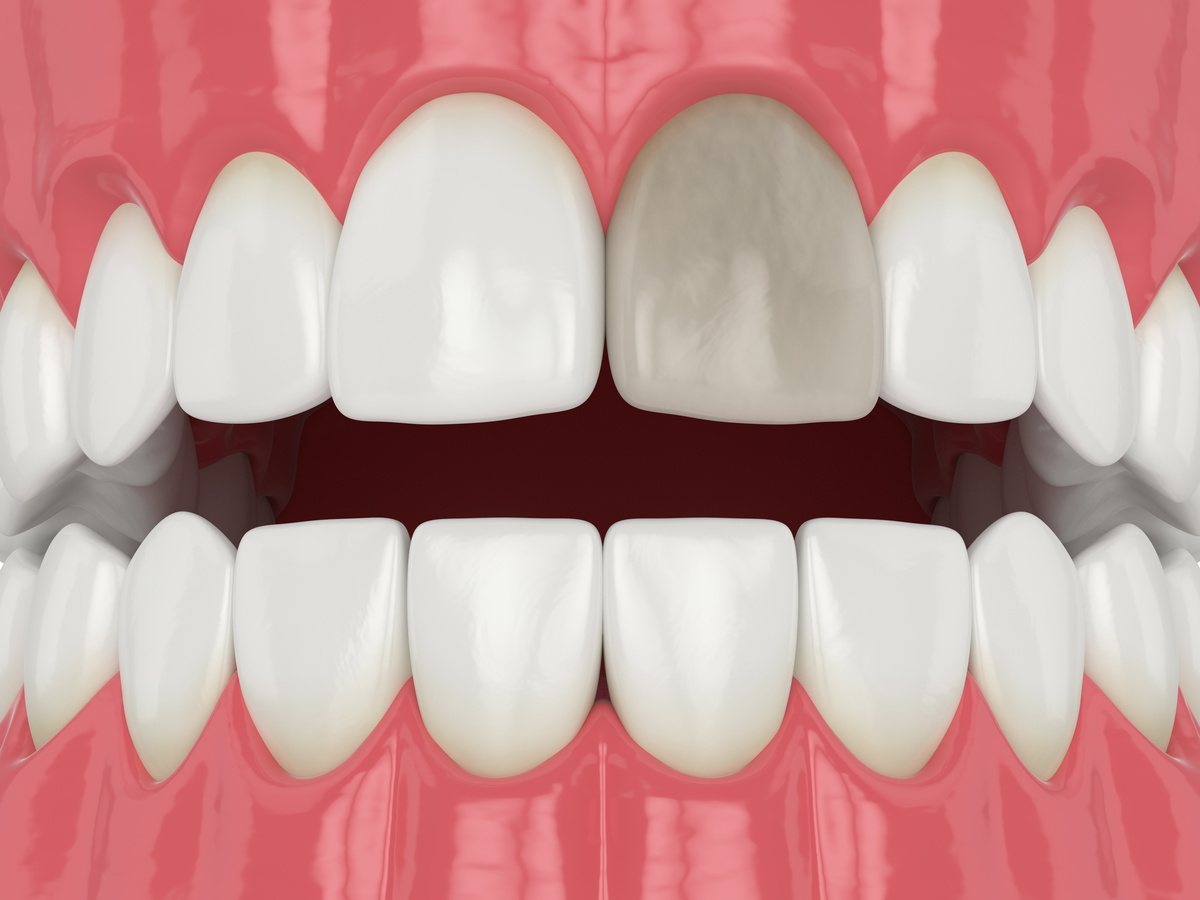
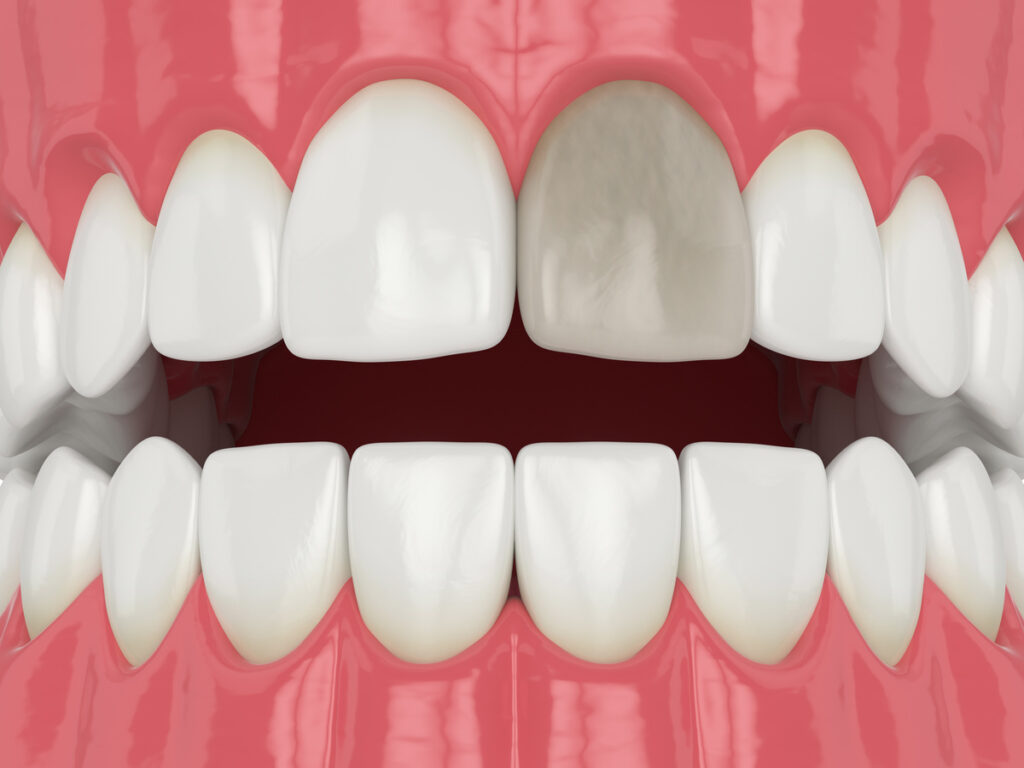
- Discoloration: A tooth turning gray, black, or dark yellow suggests the pulp has died and is breaking down. This color change happens gradually as the internal tissue deteriorates.
- Swelling and abscess: Puffiness around the tooth or a pimple-like bump on your gums often indicates infection has formed. You might notice tenderness when touching the area.
- Temperature sensitivity: Lingering pain from hot or cold foods and drinks, especially if it persists after the temperature source is removed, signals potential pulp damage.
- Bad taste or odor: An infection can cause an unpleasant taste in your mouth or persistent bad breath despite good oral hygiene.
If you have any of these symptoms, don’t wait. Emergency dental care can prevent further damage and increase your chances of saving the tooth. Delaying treatment allows infection to spread, potentially affecting your jawbone and overall health.
When Tooth Extraction Becomes Necessary
While we do everything we can to save your natural teeth, sometimes it’s not possible or practical. Extensive damage to the tooth structure might make it too weak to support a crown. If decay has destroyed too much of the tooth, restoration may not provide a stable, long-term solution.
Severe infections that don’t respond to treatment or have spread to the surrounding bone may require removal. A vertical crack running through the root often means the tooth cannot be saved. In these cases, tooth extraction followed by replacement options like dental implants or bridges restores your smile and function.
Our caring professionals will discuss all available options, helping you make an informed decision based on your specific situation. Even when extraction is necessary, modern replacement methods look and function remarkably like natural teeth.
Contact Floss Lincoln Park to Learn More About Dead Tooth Treatment
You deserve a dental team that prioritizes saving your natural teeth while respecting your comfort and concerns. Dr. Delone Jouja and Dr. Martha Silva bring extensive training and genuine compassion to every treatment plan. Dr. Silva’s experience as an active-duty dentist with the U.S. Army equipped her with the skills to handle complex dental emergencies and perform restorative procedures. Both doctors and our team stay current with the latest techniques to provide you with the most effective, comfortable care possible.
We’re committed to creating a stress-free experience from the moment you walk through our door. Our digital systems and advanced technology help us diagnose problems accurately and treat them efficiently. Don’t let fear or uncertainty keep you from addressing a problematic tooth. Contact our Lincoln Park office today to schedule an examination and learn how we can help save your smile.