

Medically Reviewed by Dr. Delone Jouja, DMD on September 11, 2026
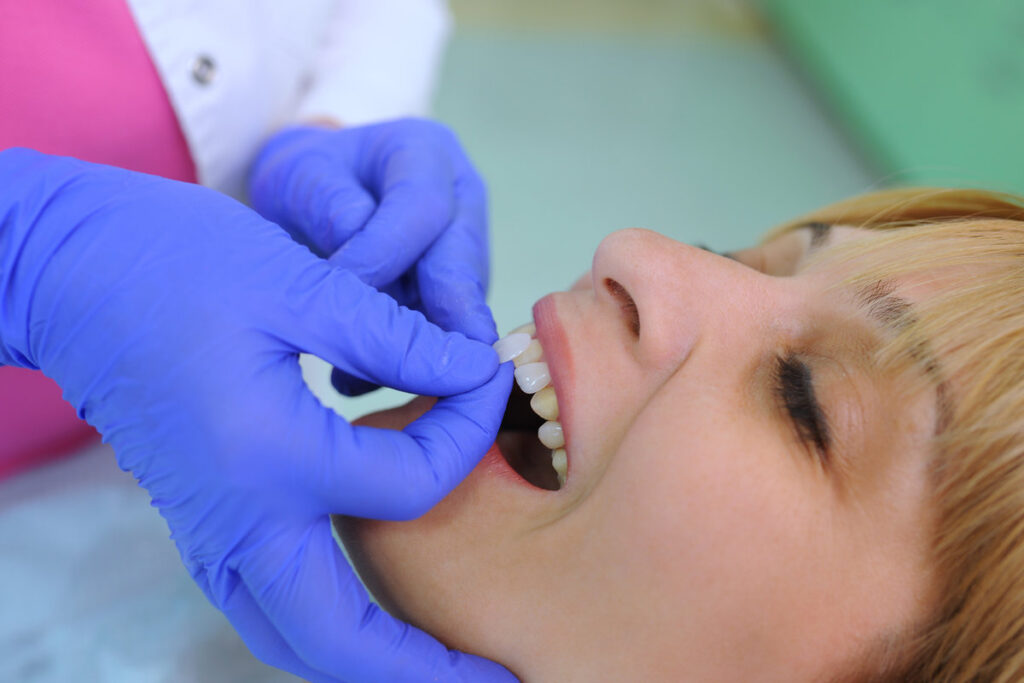
Dental veneers may be right for you if you have specific cosmetic concerns about your smile that other treatments have not fully addressed. These thin, custom-made shells of tooth-colored material cover the front surface of your teeth, creating a natural, balanced appearance that can change how confident you feel about your smile.
At Floss Lincoln Park, Dr. Delone Jouja and Dr. Martha Silva offer a full range of cosmetic dentistry solutions, and porcelain veneers are one of the most versatile options available to you. Knowing the signs that veneers fit your situation helps you make an informed decision about your oral health and your appearance.
Persistent Tooth Discoloration
If your teeth remain discolored despite professional cleanings and whitening treatments, veneers could be the solution you need. Some stains sit deep within the tooth structure and do not respond to traditional whitening methods no matter how many rounds you try.
Intrinsic stains often result from past trauma, certain medications, or excessive fluoride exposure while your teeth were developing. These internal discolorations create a grayish or brownish cast that surface treatments cannot reach. Teeth whitening works well for surface stains, but when discoloration runs deeper, veneers provide more complete coverage and longer-lasting results.
Gaps Between Your Teeth
Small to moderate gaps between teeth, known as diastemas, can often be corrected with veneers instead of more extensive orthodontic treatment. This approach works particularly well when the gaps are mainly a cosmetic concern rather than a functional or bite issue.
Veneers close these spaces while also refining the overall shape and proportion of your teeth. The process typically requires fewer appointments than a full course of orthodontic treatment and delivers a visible result right away. That said, larger gaps or more complex spacing issues may still call for orthodontics to reach the best long-term outcome.
Chipped or Worn Teeth
Daily wear, teeth grinding, or a minor accident can leave your teeth chipped, worn down, or slightly damaged. When these imperfections affect several teeth or sit prominently in your smile line, veneers offer a more complete restoration than spot repairs alone.
Unlike composite bonding, which addresses individual chips one at a time, veneers can correct several aesthetic issues at once while offering strong long-term durability. They resist staining better than natural enamel and can hold up to normal chewing forces for many years with proper care.
Uneven or Irregularly Shaped Teeth
If your teeth are naturally uneven in size or have irregular shapes that throw off your smile’s balance, veneers can create uniformity. This benefits people whose teeth are too small, too pointed, or have unusual contours that catch the eye.
Veneers let your dentist design a smile that complements your facial features and builds the proportions you want. Each veneer is custom-crafted to the specific size, shape, and shade that will enhance your overall look, rather than a one-size-fits-all shell.
Minor Alignment Issues
Veneers cannot replace orthodontic treatment for significant misalignment, but they can address minor positioning irregularities that affect how your smile looks. This works well for teeth that are slightly rotated, overlapped, or a little out of position.
The treatment can create the appearance of straighter teeth without the time commitment of traditional orthodontic care. More severe alignment issues, however, should still go through proper orthodontic treatment to protect your oral health and bite function over the long run.
Previous Dental Work Needs Updating
If you have older dental work such as crowns, bridges, or large fillings that no longer match your surrounding teeth or meet your current aesthetic expectations, veneers on the adjacent teeth can create a cohesive, natural-looking result.
This approach lets you keep your existing restorations in place while improving the overall look of your smile. Dental crowns and other restorative work can be planned alongside new veneers so the shade and shape match across your whole smile.
A Full Smile Makeover May Fit Your Goals Better
If several of the signs above apply to you at once, veneers may be just one piece of a larger plan. Patients who want to address discoloration, shape, and alignment together sometimes benefit more from a coordinated smile makeover that combines veneers with whitening, bonding, or other cosmetic treatments in a single plan rather than tackling each concern separately over time.
We walk through these options with you at your consultation so you understand which combination of treatments addresses your goals most directly, and what a realistic timeline looks like for each approach.
Realistic Expectations and Good Oral Health
The most important sign that you are ready for veneers is having realistic expectations about the procedure and its outcome. Veneers can dramatically improve your smile’s appearance, but the process involves removing a small amount of natural tooth structure, which makes it a permanent change to your teeth.
You should also have good overall oral health before considering veneers. Issues like gum disease, untreated decay, or teeth grinding need attention first. According to the Cleveland Clinic, veneers typically last ten to fifteen years with proper care, which makes them a long-term investment in your smile rather than a quick fix.
Financial Readiness
Veneers represent a meaningful investment in your oral health and appearance. Being financially prepared for the treatment, including any preliminary procedures your dentist recommends first, is a sign that you are ready to move forward with confidence.
Many practices, including ours, offer financing options to make treatment more accessible. Knowing your total cost and your payment options up front helps you complete the full treatment plan without financial stress partway through.
What to Expect at Your Veneer Consultation
A veneer consultation starts with an exam to confirm your teeth and gums are healthy enough for the procedure. We look for signs of decay, gum disease, or bite issues that need attention first, since veneers work best on a stable foundation rather than as a cover for an untreated problem.
From there, we talk through your goals, review options like shade and shape, and, when helpful, show you digital previews of how your finished smile could look. This gives you a clear picture before any tooth structure is prepared, so you can make a confident, informed decision rather than a rushed one.
Frequently Asked Questions About Dental Veneers
How long do dental veneers last?
Dental veneers typically last ten to fifteen years with proper care. Longevity depends on your oral hygiene habits, whether you grind your teeth, and how closely you follow your dentist’s recommendations. Avoiding nail biting, not chewing on hard objects, and wearing a night guard if you grind can meaningfully extend the life of your veneers.
Are dental veneers permanent?
Veneers are considered a permanent treatment because a thin layer of enamel is removed from the tooth to create a proper fit. This means the tooth will always need to be covered by a veneer or crown going forward. The veneers themselves, however, can be replaced if they wear down or become damaged over time.
Do veneers damage natural teeth?
The veneer process requires removing a small amount of enamel, which is a permanent change. The remaining tooth structure is then protected by the veneer itself. Veneers placed on healthy teeth with a proper bite typically do not cause additional damage, though your dentist evaluates your candidacy first to confirm the procedure fits your situation.
Can veneers fix gaps between teeth?
Yes. Veneers can close small to moderate gaps by building out the width of the adjacent teeth. This approach suits patients with mainly aesthetic spacing concerns who prefer a faster solution than orthodontics. Larger gaps or those involving functional bite issues may still require orthodontic treatment for the best long-term outcome.
How many veneers do most patients get?
The number varies by patient and goal. Some people choose veneers for just one or two damaged teeth, while others opt for six to ten veneers across the front teeth that show most when they smile, sometimes called a smile arc. Your dentist recommends a specific number based on your existing teeth, your bite, and the balance you want in your final result.
Is there a less permanent alternative to veneers?
Composite bonding is a more conservative option for patients who want to address a chip, gap, or shape concern without permanently altering the tooth. Bonding generally requires less or no enamel removal and can often be adjusted or reversed, though it typically does not last as long as porcelain veneers and may need more frequent touch-ups.
Schedule Your Veneer Consultation at Floss Lincoln Park
If you recognize these signs in your own smile, it may be time to explore how veneers can change your appearance and confidence. Dr. Delone Jouja and Dr. Martha Silva at Floss Lincoln Park combine advanced training with genuine attention to help you reach the smile you have wanted.
Our team evaluates your specific concerns, discusses your goals, and helps determine whether veneers are the right choice for your situation. We also review every available option so you receive the treatment that fits your needs best. Ready to find out if veneers are right for you? Contact us today to schedule your consultation and take the first step toward the smile you want.
About the Author
Founder, Floss Lincoln Park
Dr. Jouja earned his Doctor of Dental Medicine degree from Midwestern University College of Dental Medicine in Illinois and founded Floss Lincoln Park in 2024. He is a member of the Academy of General Dentistry and focuses his practice on cosmetic, implant, and general dentistry.


