
Your child brushes twice a day, flosses, and limits sugary snacks, and cavities still happen. The back molars are the most vulnerable teeth in a child’s mouth, packed with deep grooves where food and bacteria hide, no matter how well your child brushes. Dental sealants provide a thin, invisible layer of protection and may be one of the most effective preventive tools available for keeping those teeth healthy for years.
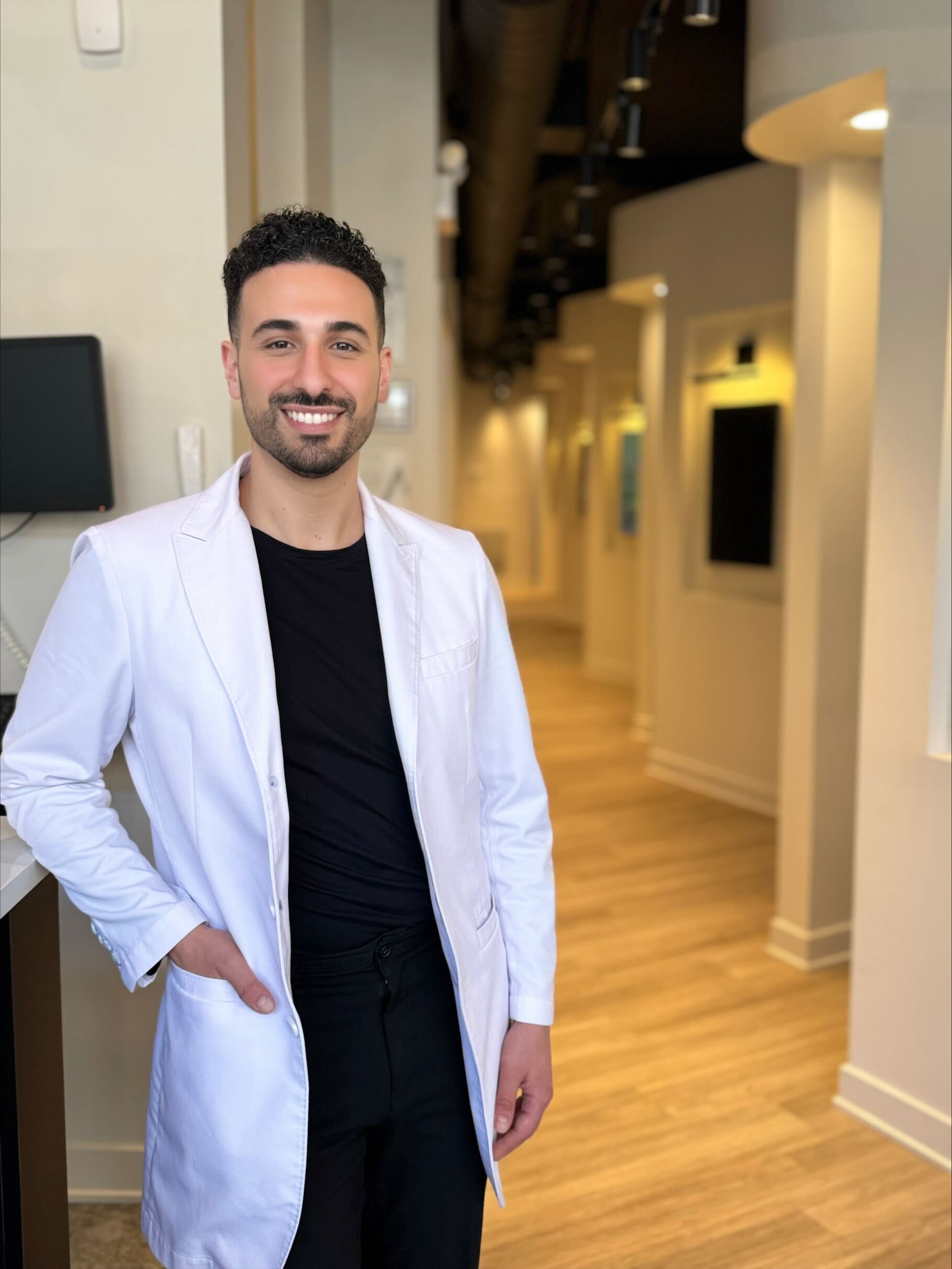
At Floss Lincoln Park, we believe prevention is the foundation of lifelong dental health. Our pediatric dentistry services are built around keeping young smiles healthy from the very first visit, and dental sealants are one of the most reliable tools we offer families in Lincoln Park and the surrounding neighborhoods. Dr. Delone Jouja and Dr. Martha Silva bring a combined 24 years of clinical experience, and both are committed to helping parents make informed decisions about their child’s care.
What Are Dental Sealants?
Dental sealants are thin, protective coatings applied to the chewing surfaces of the back teeth, primarily the molars and premolars. These teeth have natural pits and grooves that make them nearly impossible to clean thoroughly with a toothbrush alone. Food particles and bacteria settle into those grooves and begin producing acids that wear down enamel, leading to cavities.
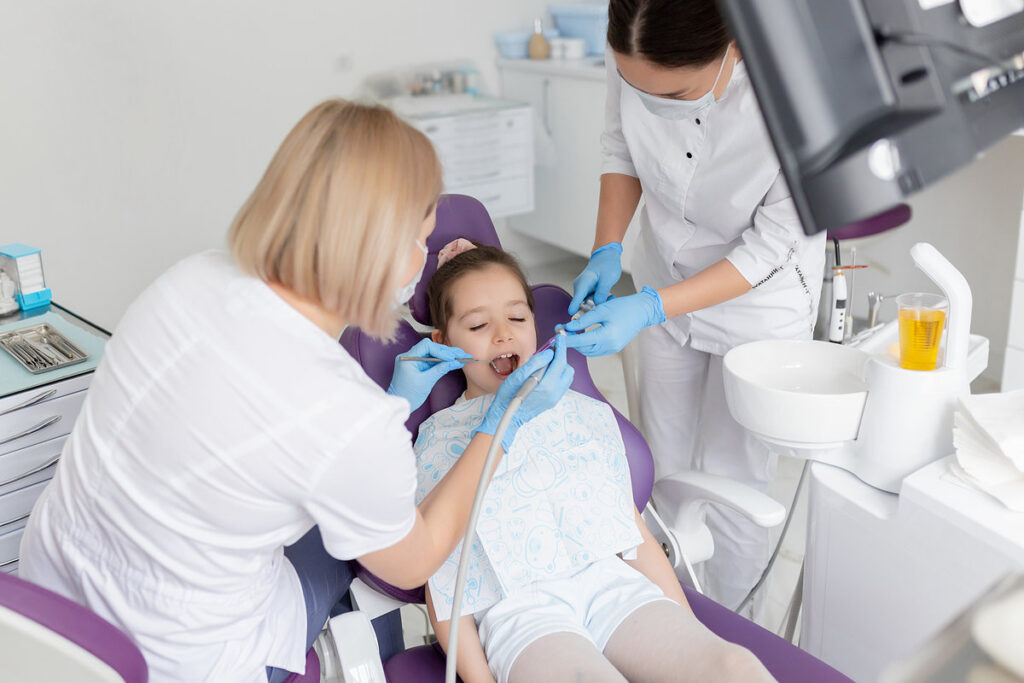
A sealant bonds directly to the tooth surface and hardens to form a smooth, protective barrier. Once in place, it acts as a shield that prevents food and bacteria from reaching the vulnerable areas of the tooth. The application process is simple, painless, and completed in a single visit, making it easy to fit into your child’s regular dental exams and cleanings.
How Effective Are Sealants at Preventing Cavities?
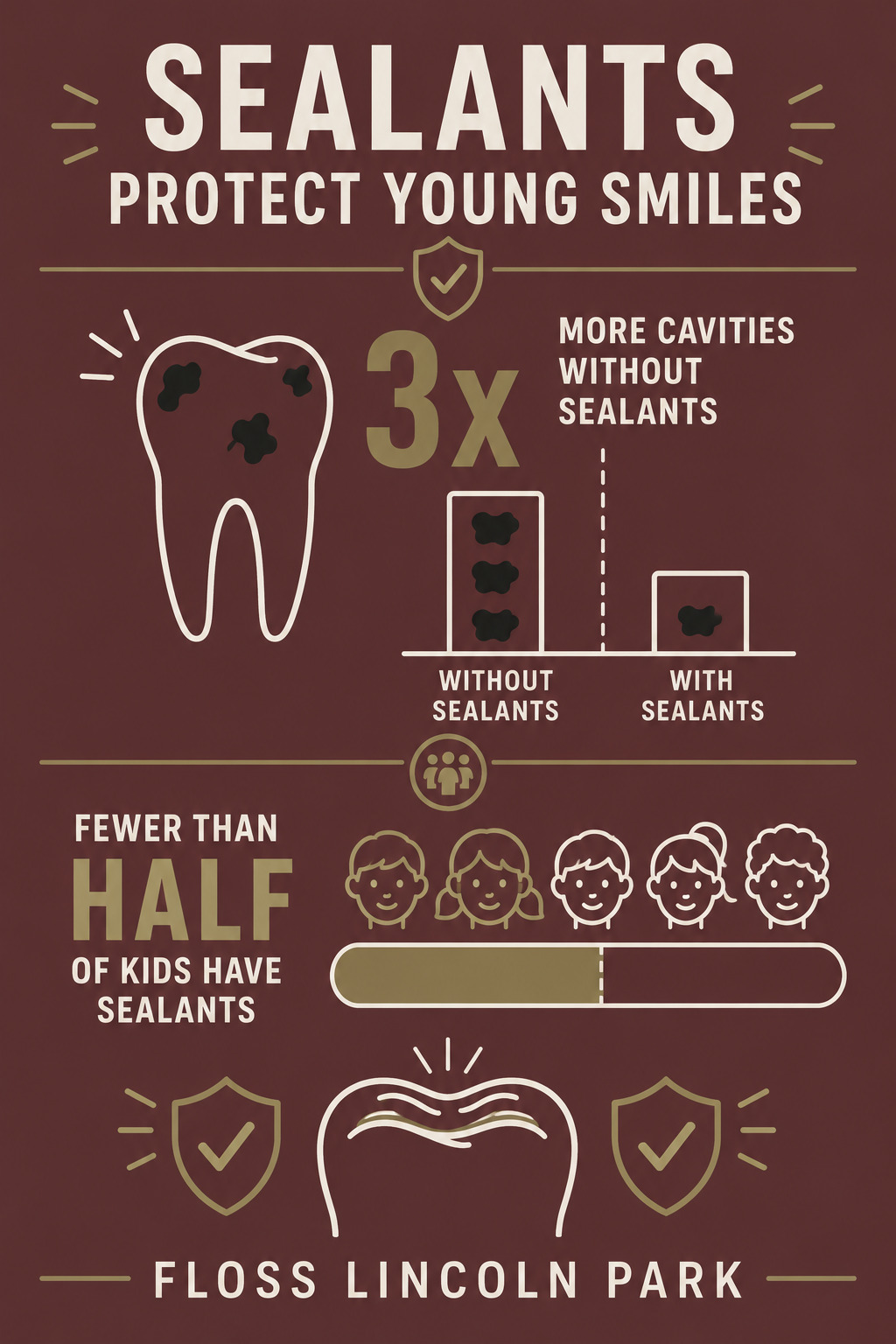
The evidence behind dental sealants is well established. According to the CDC, children aged 6 to 11 without sealants have nearly three times as many cavities in their first molars as those with sealants, yet fewer than half of school-age children in the U.S. currently have them. That gap represents a significant missed opportunity for families looking to reduce the chances of their child needing fillings or more involved restorative treatment.
When Should Children Get Sealants?
The ideal time to apply sealants is shortly after the permanent molars come in, typically around ages 6 and 12. Placing them early gives those teeth the best protection during the years children are most cavity-prone. Some children may also benefit from sealants on their primary (baby) teeth if those teeth have deep grooves. During your child’s regular checkups, we assess whether sealants are a good fit for each tooth based on its individual shape and condition.
How Long Do Sealants Last?
Sealants can protect teeth for many years with proper care. We check the condition of existing sealants at every visit and can reapply them if any wear or chipping occurs. Because the chewing surfaces of molars take the most pressure over time, routine monitoring helps ensure your child’s protection stays intact. Our dental sealant service is part of a broader preventive approach designed to reduce the need for treatment down the road.
Sealants as Part of a Broader Prevention Plan
Sealants work best when combined with other preventive measures. Regular brushing and flossing, a balanced diet low in sugar, and twice-yearly checkups all help keep decay at bay. We also offer fluoride treatments to strengthen enamel throughout the mouth, which pairs naturally with sealants to provide layered protection for your child’s developing teeth. These tools together give your child the strongest possible defense against cavities during their most vulnerable years.
Protect Your Child’s Smile With Dental Sealants at Floss Lincoln Park
At Floss Lincoln Park, our team of doctors combines clinical skill with a commitment to making every visit comfortable for young patients. Dr. Martha Silva, who is completing a prestigious two-year Mastership program through the University of Florida School of Dentistry involving over 600 hours of advanced training, brings a natural affinity for family dentistry and a thorough approach to preventive care. Dr. Jouja’s patient-first philosophy and multilingual abilities make our office a welcoming place for families from all backgrounds across Lincoln Park, Wicker Park, Bucktown, and beyond.
We accept major insurance plans and offer an in-house membership plan that includes sealants for adult molars as well as two exams, two cleanings, and X-rays for young patients. If you are ready to take a proactive step to protect your child’s teeth, reach out to our office to schedule a visit and learn whether sealants are right for your child.


